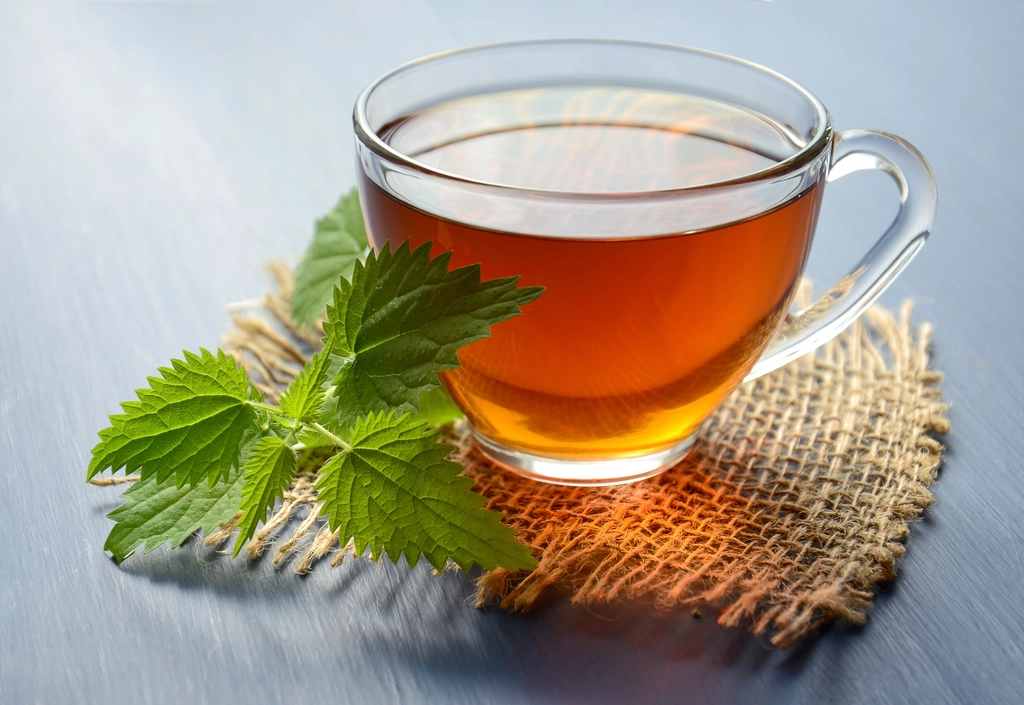
The pitch is always the same: flush out toxins, lose the bloat, feel reset. Your body already runs its own detox system, and many of the products sold to help it carry risks of their own.
The evidence in brief
- The NIH’s complementary health center says there’s no compelling research that detox or cleanse programs remove toxins or lead to lasting weight loss.
- Many detox teas contain senna or other laxatives. The weight you lose is mostly water and stool, and regular use can upset your body’s electrolyte balance.
- Juice cleanses are low in protein, unpasteurized juice can carry harmful bacteria, and large amounts of some juices are a concern for people with kidney disease.
- Medical detox for alcohol or drug dependence is real and important. It has nothing to do with teas, kits or foot pads.
Detox season comes around more than once a year: after the holidays, before a wedding, at the start of summer. The products range from teas and juice plans to pill kits, foot pads and colon cleanses. Before spending money on any of them, it helps to know what your body already does, and to ask one question of every product: which toxins, exactly?
The detox system you already have
Your liver converts many substances, including alcohol and medicines, into forms your body can get rid of. Your kidneys filter your blood around the clock and send waste out in urine. Your lungs, gut and skin play supporting roles. In a healthy person this system works continuously, without help from a kit.
When it does fail, as in liver or kidney failure, the treatment is medical care. Notice, too, that detox products rarely name the toxins they claim to remove or show that any were removed. That vagueness tells you a lot.
What the products do
Detox teas. Many contain senna, cascara or other stimulant laxatives, sometimes with herbs that make you urinate more. They work, in the sense that you’ll spend more time in the bathroom. Over-the-counter laxatives carry label warnings against using them for more than a week without a doctor’s advice, but teas sold as supplements often don’t. Regular use can lead to dehydration, low potassium and a gut that struggles without them. Frequent diarrhea can also make some medicines, including birth control pills, less reliable.
Juice cleanses. Juice delivers vitamins and sugar but little protein or fiber, so several days of nothing else can leave you hungry, tired and light-headed. Unpasteurized juice can carry bacteria such as E. coli and Salmonella, a particular risk for pregnant women, young children, older adults and anyone with a weakened immune system. Some juices are high in oxalate, which in large amounts can harm the kidneys.
Pill kits and powders. The FDA and the Federal Trade Commission have taken action against detox products that contained illegal or harmful ingredients or claimed to treat serious diseases.
Colon cleanses. Whether done with kits at home or with equipment at a clinic, colon cleansing has known side effects, from cramping and nausea to dehydration, infection and, rarely, damage to the bowel.
Foot pads and ionic foot baths. Tests of ionic foot baths have found that the water turns brown from the metal electrodes reacting with salt in the water, even with no feet in it. Neither the baths nor the pads have been shown to pull toxins out of your body.
Worth knowing
Medical detox, the supervised withdrawal from alcohol or drugs, is a real treatment. Alcohol withdrawal in particular can be dangerous. If you’re trying to stop drinking heavily, talk to a doctor rather than attempting a cleanse.
Red flags in detox marketing
- It doesn’t say which toxins it removes, or how that was measured.
- It promises quick weight loss.
- It claims to treat or prevent a disease such as cancer or diabetes.
- The evidence is before-and-after photos and testimonials.
- It’s pushed by influencers who don’t clearly say they’re paid or got free products.
- It’s sold as a bundle or an automatic subscription.
What actually supports your liver and kidneys
The unglamorous list: drink water when you’re thirsty, limit alcohol, eat plenty of vegetables, fruit and fiber, don’t smoke, and be careful with medicines. Acetaminophen overdose is a leading cause of acute liver failure in the U.S., so keep track of it in combination cold and pain products. And some herbal and dietary supplements, including a few sold for “cleansing,” can themselves injure the liver.
If you’re tempted by a reset after a big night out, our look at IV vitamin drips covers that trend too. And our guide to reading wellness claims explains the rules detox products are sold under.
Asked and answered
Why do I feel lighter after a cleanse?
Mostly because you’ve lost water and emptied your gut, and because you’ve been eating less and skipping alcohol and processed food. The weight usually comes back when normal eating resumes.
What about foot pads that turn dark overnight?
The pads change color when their ingredients absorb moisture, including sweat. The color isn’t evidence that toxins have been drawn out of your body.
Are colon cleanses safe?
They can cause cramping, bloating, nausea and vomiting, and more serious problems such as dehydration, electrolyte imbalances, infection and, rarely, bowel injury. There’s no good evidence they benefit healthy people.
This guide is general information, not medical advice. Check with your doctor or pharmacist before starting a supplement, device or treatment, especially if you’re pregnant, take medicines or have a health condition.