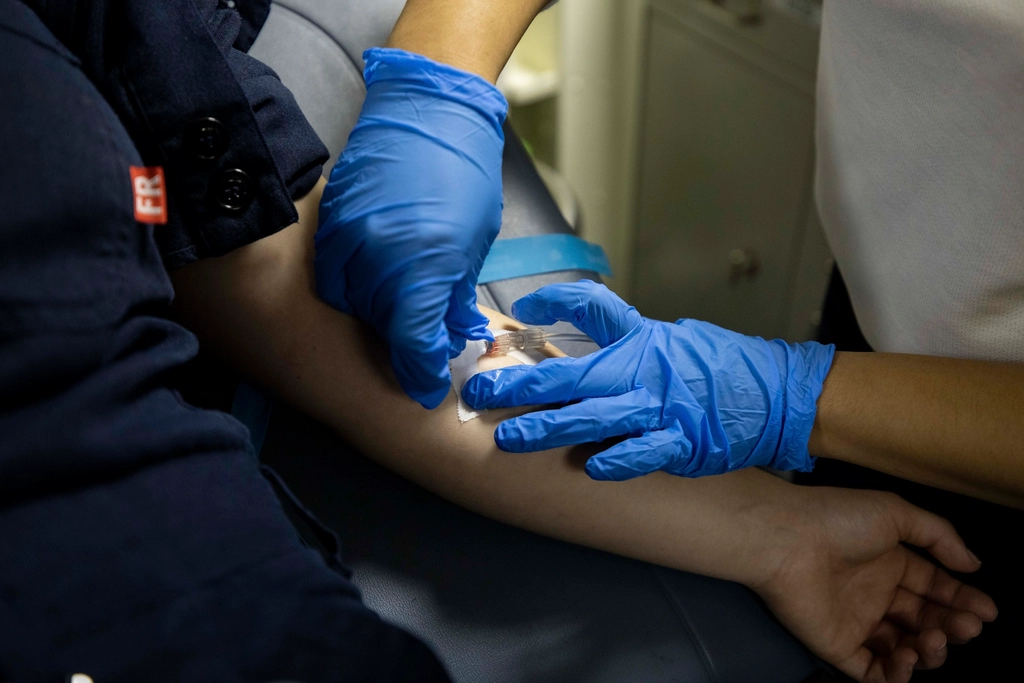
Drip bars promise energy, glowing skin and a faster hangover cure. An IV is a medical procedure, though, and the case for using one when you’re healthy is weak.
The evidence in brief
- Wellness drips usually contain saline plus vitamins such as B12 and C, electrolytes and sometimes medications; formulas vary widely between clinics.
- There’s little good evidence that vitamin drips improve energy, immunity or skin in healthy people who eat a reasonable diet.
- Any IV carries risks, including infection, vein irritation and, for people with heart or kidney problems, fluid overload.
- High-dose vitamin C can cause serious problems in people with G6PD deficiency or kidney disease.
The menus have names like “Glow,” “Immunity” and “Recovery,” and a session can cost as much as a nice dinner. Behind the branding, most wellness IV drips are a bag of saline with vitamins and minerals added. Here’s what that can and can’t do.
What’s usually in the bag
- Saline or a similar fluid for hydration
- B vitamins, often B12 and a B complex
- Vitamin C, sometimes at very high doses
- Electrolytes and minerals such as magnesium, calcium and zinc
- Medications in some clinics, such as anti-nausea or pain relievers
Recipes vary a lot from one clinic to the next, which makes it hard to know exactly what you’re getting.
What the evidence shows
In hospitals, IV fluids and vitamins treat real problems: dehydration, severe vomiting, conditions that stop the gut from absorbing nutrients, and certain deficiencies. Those uses are well established.
For healthy people, the picture is different. There’s little good-quality research showing that wellness drips boost energy, prevent colds, improve skin or speed recovery. Your gut absorbs vitamins from food and pills well for most people, and the body excretes much of any excess. Feeling better after a drip may come from rehydration, the rest, or simply expecting to feel better.
The risks of an IV
Putting a needle and catheter into a vein is a medical procedure with known risks:
| Risk | What it means |
|---|---|
| Infection | Bacteria entering at the site or through contaminated fluids |
| Phlebitis | Painful inflammation of the vein |
| Infiltration | Fluid leaking into surrounding tissue, causing swelling |
| Allergic reaction | To an ingredient or additive |
| Fluid overload | Dangerous for people with heart or kidney failure |
Safety first
High-dose IV vitamin C can cause serious harm in some people, including red blood cell damage in those with G6PD deficiency and kidney stones or kidney injury in people with kidney problems. A responsible clinic checks for these first.
Questions to ask before you book
- Who orders the drip, and do they review my medical history and medications?
- Who places the IV, and what are their qualifications?
- What exactly is in the bag, and at what doses?
- Where do the fluids come from? They should be prepared under sterile conditions by a licensed pharmacy.
- What happens if I have a reaction, and is there a plan for emergencies?
If the answers are vague, or nobody asks about your health before starting, that’s a reason to walk away.
A simpler approach
For most people, the things a drip promises come more reliably from water, food, sleep and, where needed, a standard multivitamin. If you’re curious about supplements more broadly, our guide to reading wellness claims explains what labels can and can’t say, and our look at detox products covers a related set of promises.
Asked and answered
Does an IV drip cure a hangover?
IV fluids can help someone who’s genuinely dehydrated, but for a typical hangover, drinking water, eating and resting usually do the job. Time is the real cure.
Are IV vitamins absorbed better than pills?
They reach the bloodstream directly, but more isn’t better. For most people, the extra simply passes out in urine. IV vitamins make medical sense for specific conditions, such as some absorption disorders.
Who is allowed to give an IV drip?
Rules vary by state, but IV therapy is a medical procedure that generally requires an order from a licensed prescriber and placement by a qualified clinician, such as a registered nurse.
This guide is general information, not medical advice. Check with your doctor or pharmacist before starting a supplement, device or treatment, especially if you’re pregnant, take medicines or have a health condition.