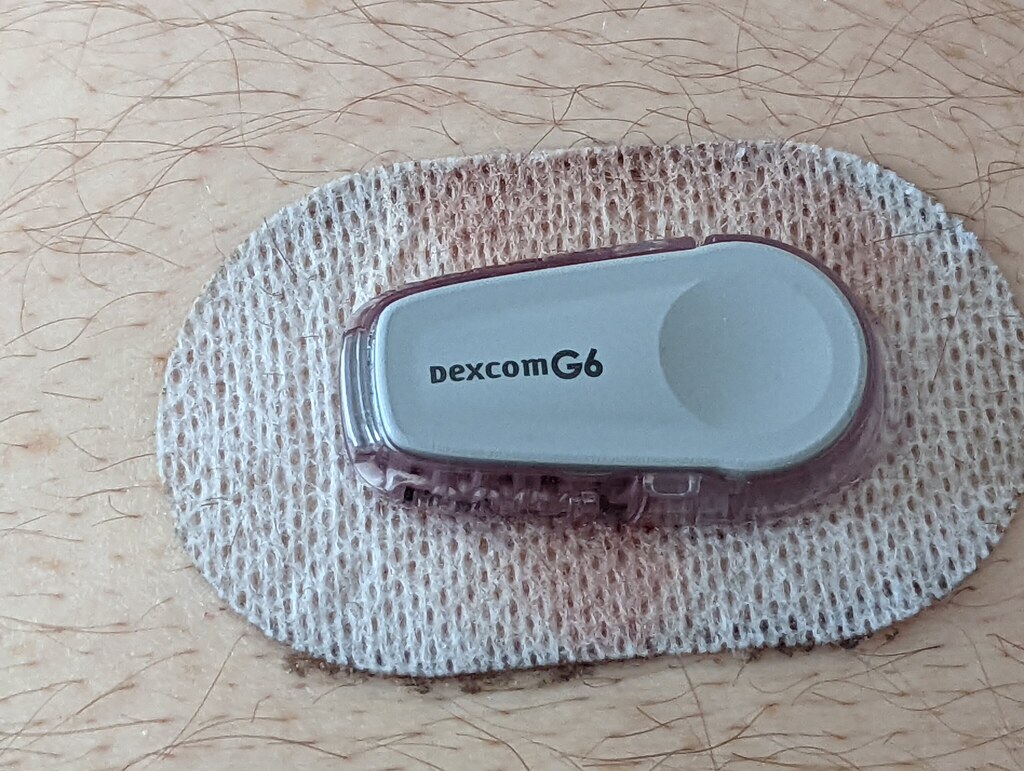
You no longer need a prescription to wear a continuous glucose monitor. Whether watching your blood sugar all day helps when you don’t have diabetes is a more open question.
The evidence in brief
- In March 2024 the FDA cleared the first over-the-counter continuous glucose monitor, for adults who don’t use insulin; others followed later that year.
- These sensors aren’t designed to warn about dangerously low blood sugar, so they’re not for people at risk of hypoglycemia.
- Blood sugar normally rises after meals; a spike isn’t necessarily a problem, and there’s limited evidence that tracking it improves health in people without diabetes.
- A sensor doesn’t diagnose diabetes. If you’re concerned, ask your doctor about an A1C or fasting glucose test.
Continuous glucose monitors, or CGMs, used to be prescription devices for people with diabetes. Now anyone can buy one online and watch their blood sugar rise and fall on a phone. That’s a lot of data. Here’s how to make sense of it.
What changed in 2024
On March 5, 2024, the FDA cleared the first over-the-counter CGM for adults 18 and older who don’t use insulin, including people with diabetes managed with other medicines and people without diabetes. Two more over-the-counter sensors were cleared in June 2024, one of them aimed specifically at general wellness rather than diabetes management.
The FDA noted an important limit: these devices aren’t designed to alert you to dangerously low blood sugar. People who are prone to hypoglycemia, including anyone using insulin, need a prescription CGM and their doctor’s guidance.
What normal looks like
| Measure | Typical range for people without diabetes |
|---|---|
| Fasting blood glucose (blood test) | 99 mg/dL or below |
| Prediabetes range (fasting) | 100 to 125 mg/dL |
| After a meal | Rises, then usually returns toward baseline within a few hours |
Blood sugar is supposed to rise after you eat. A sharp rise after a slice of cake or a big bowl of pasta is normal physiology, not a sign of disease. Sensors also have quirks: lying on the sensor overnight or being dehydrated can produce misleading readings.
Can it help?
Some people find that seeing their numbers helps them notice patterns, such as how a walk after dinner flattens the rise, or how a sugary drink compares with a meal. That can be motivating.
But the research on CGMs in people without diabetes is limited. There’s little evidence yet that tracking glucose leads to better long-term health or more weight loss than general healthy eating and activity. And for some people, constant numbers can feed anxiety about food.
Try it gently
If you try a sensor, treat it as a short experiment, a couple of weeks of noticing patterns, rather than a permanent scoreboard.
When to see a doctor instead
A sensor doesn’t diagnose anything. Ask your doctor about testing if you:
- see consistently high readings, especially when you haven’t eaten
- have risk factors for type 2 diabetes, such as excess weight, a family history or having had gestational diabetes
- have symptoms like increased thirst, frequent urination, blurred vision or unexplained weight loss
The standard tests are a fasting glucose test or an A1C, which reflects average blood sugar over about three months.
Wellness gadgets often come with bold marketing. Our guide to reading wellness claims explains what “FDA-cleared” and similar phrases mean, and our look at red light devices covers another popular gadget.
Asked and answered
What’s a normal fasting blood sugar?
For a fasting blood test, 99 mg/dL or below is considered normal, 100 to 125 suggests prediabetes and 126 or above on two tests suggests diabetes. A sensor reading isn’t a diagnosis, but consistently high numbers are worth discussing with a doctor.
Are the sensors accurate?
They measure glucose in the fluid under the skin, which lags slightly behind blood and can differ from a fingerstick, especially when levels change quickly.
Can a glucose monitor help me lose weight?
Some people find the feedback motivating, but there’s little research showing it leads to more weight loss than other approaches for people without diabetes.
This guide is general information, not medical advice. Check with your doctor or pharmacist before starting a supplement, device or treatment, especially if you’re pregnant, take medicines or have a health condition.